Why the price tag is only a starting point
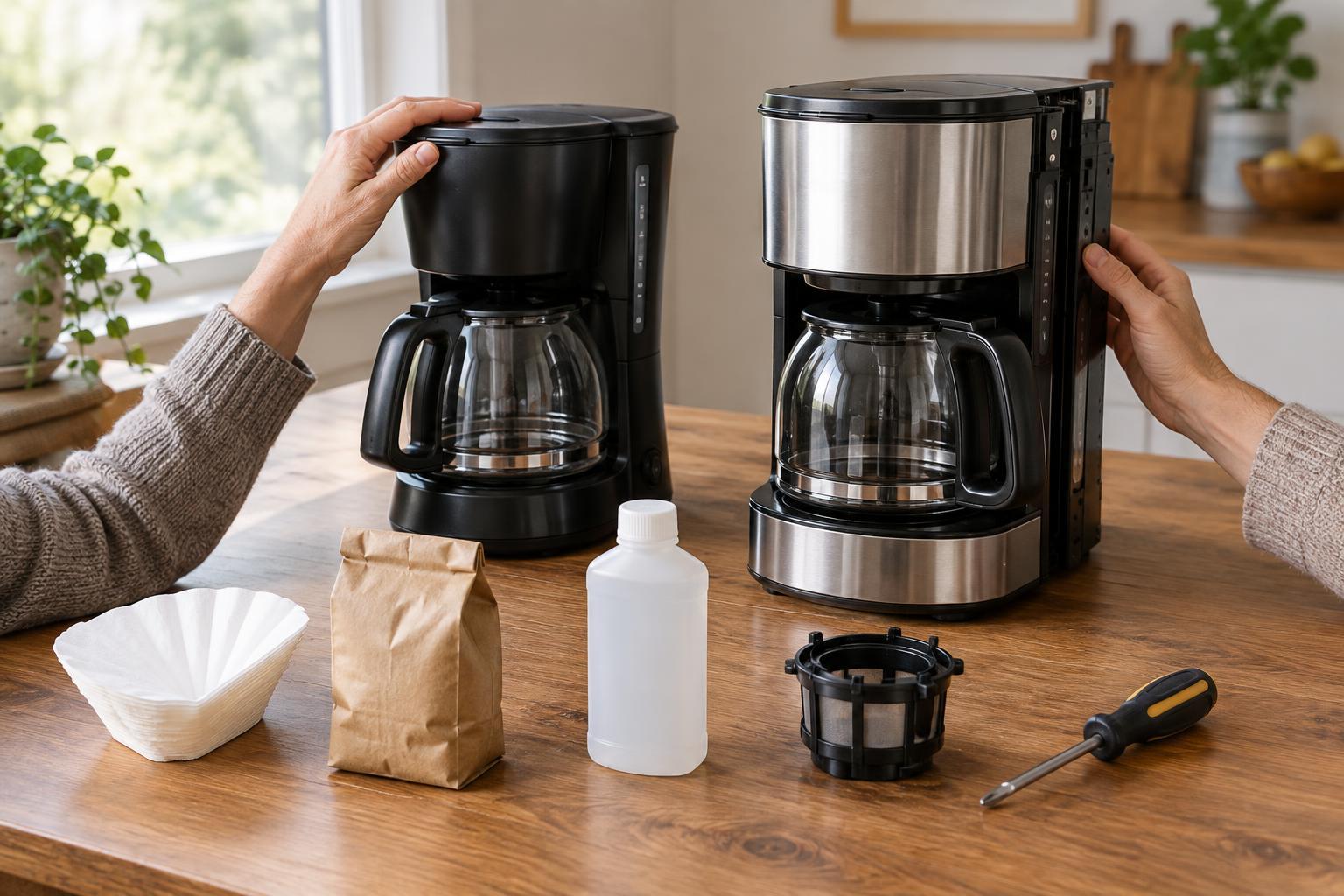
The sticker price is easy to notice and easy to compare. It is also only one part of what a purchase may cost. A printer needs ink or toner. A coffee machine may need filters and cleaning supplies. A pair of inexpensive shoes may need replacing sooner than a sturdier pair. Total cost of ownership is a way to consider these later expenses alongside the amount you pay at checkout.
This does not mean the cheapest option is always a poor choice, or that a more expensive product will necessarily last longer. It means asking a broader question: what will it cost to obtain, use and maintain this item for the time I expect to own it? That shift can make comparisons more useful, especially for products you will use regularly.
Map the costs across the product’s life
Start with the purchase price, including any delivery or setup charges. Then list costs that arise during use: electricity, fuel, replacement parts, consumables, subscriptions or required accessories. Consider maintenance, cleaning and the possibility of repairs. Finally, think about what happens when you stop using the item. You might pay for disposal, recover some value by selling it, or need to buy a replacement.
The relevant costs depend on the product. For a vacuum cleaner, bags and filters may matter more than power use. For a phone, a protective case, storage plan or battery replacement might be relevant. For furniture, delivery and assembly could be significant while ongoing costs are small. A short, product-specific list is more useful than trying to account for every imaginable expense.
Compare options over the same period
To make a fair comparison, choose a period that reflects how you expect to use the item. For example, if you are comparing two appliances, estimate the cost of owning each for the same number of years. Add the initial price to expected recurring expenses and any likely maintenance costs. If one option may need replacing within that period, include the replacement in your estimate. Use ranges when you cannot predict a cost confidently.
Frequency of use also changes the picture. A higher upfront cost spread across frequent use may feel different from the same cost for something used twice a year. You can divide an estimated total by the number of uses to get a rough cost per use, but treat the result as a comparison tool, not a precise forecast. Your habits, the product’s durability and future prices may differ from your assumptions.
Watch for costs that are easy to overlook
Some products lead to additional purchases that are not obvious on the shelf. An attractive introductory price may depend on a subscription, proprietary refills or accessories sold separately. Before buying, check what is included, what is optional and what is necessary for ordinary use. It is also worth asking whether you can easily obtain compatible supplies or replacement parts.
Time and convenience matter, even when they are hard to put into a price comparison. A device that needs frequent attention may be frustrating to maintain; an item that is difficult to repair may have to be replaced after a minor fault. On the other hand, a feature-rich option may cost more without improving your everyday experience. Think about which trade-offs you will actually notice rather than assigning a monetary value to every inconvenience.
Use the estimate to make a better-fitting choice
A simple comparison can fit on a sheet of paper: purchase price, expected extras, recurring costs, upkeep and possible replacement. Note which figures you know and which are guesses. If an uncertain cost could change your decision, look more closely at that cost before buying. If the difference remains small across plausible estimates, factors such as comfort, ease of use or available space may be more helpful than further arithmetic.
Total cost of ownership is not a rule to buy the option with the lowest estimated total. A lower upfront price may be important when you need to limit what you spend now, while reliability or convenience may be worth more to you in another situation. The purpose is to make the hidden parts of a purchase visible, so the choice reflects your needs rather than the number printed on the tag.