What makes a purchase impulsive?
An impulse purchase is one you decide to make with little advance thought, often soon after seeing the item. It is not automatically a mistake. A small, unplanned treat may fit comfortably into your budget and bring genuine enjoyment. The useful distinction is whether you would still choose the item after considering its cost, purpose and alternatives.
Impulse buying can be hard to notice because the decision may feel reasonable in the moment. You might tell yourself that the price is unusually good or that the item will solve a problem you have been meaning to address. Sometimes that is true. A pause gives you room to test the reason before you commit.
Notice the cue before the purchase
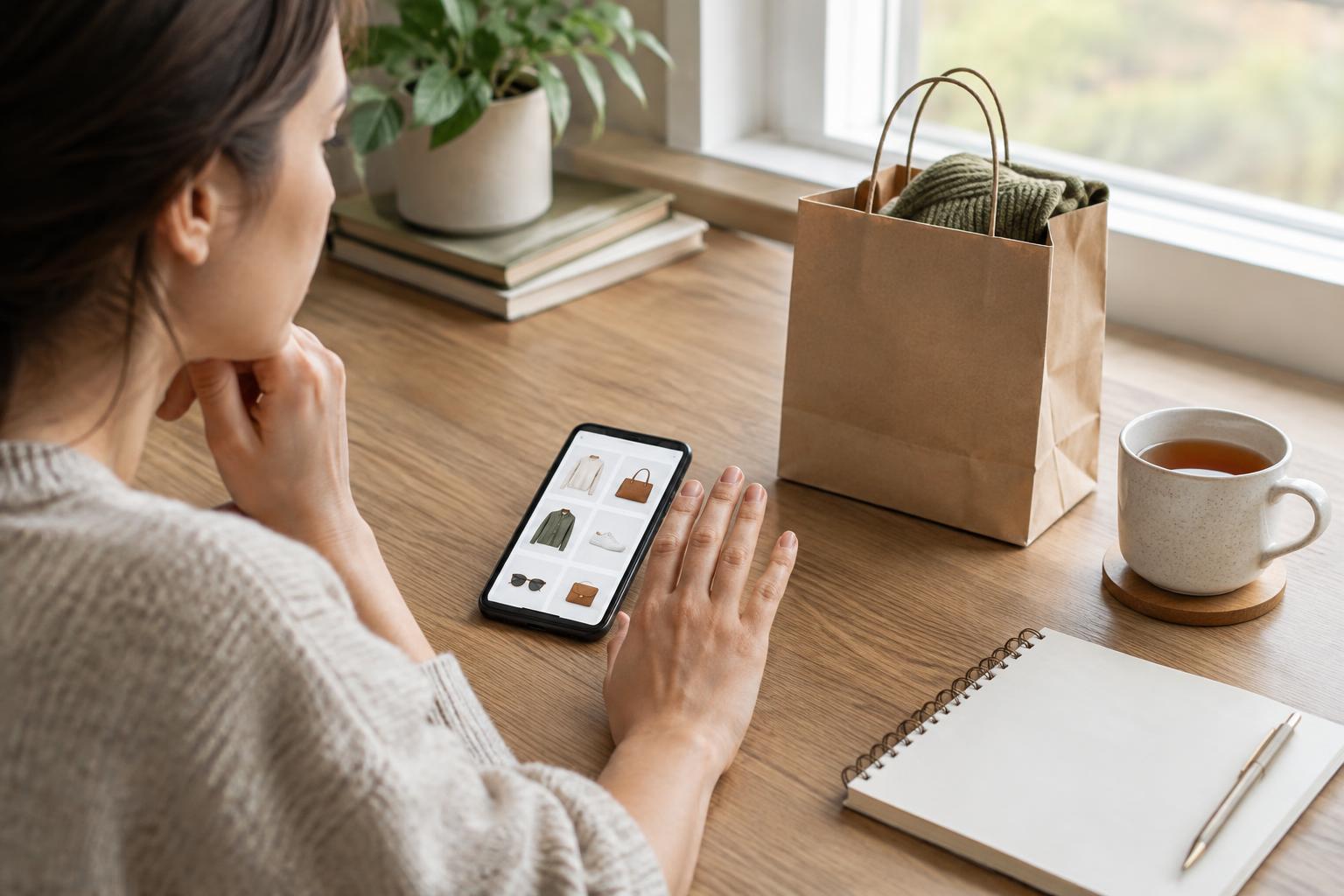
Start by looking for patterns rather than trying to label every purchase as good or bad. Mood is one possible cue: boredom, stress, excitement or a desire to reward yourself can make shopping appealing. Context matters too. Browsing while waiting in line, opening a retail app out of habit or shopping when tired can bring you face to face with items you never intended to seek out.
The offer itself may create urgency. A countdown, a limited-stock message or a discount framed as a one-time opportunity can shift your attention from “Do I need this?” to “Will I miss out?” Convenient checkout and saved payment details then make acting on that feeling easy. These features do not determine your choice, but they can shorten the time between wanting and buying.
For a week or two, you could make a brief note whenever you feel a strong urge to purchase something unplanned. Record where you were, what you were doing, how you felt and what first caught your attention. You do not need a detailed diary. A few words may reveal whether your strongest trigger is a particular mood, store, message or time of day.
Build a pause that fits the decision
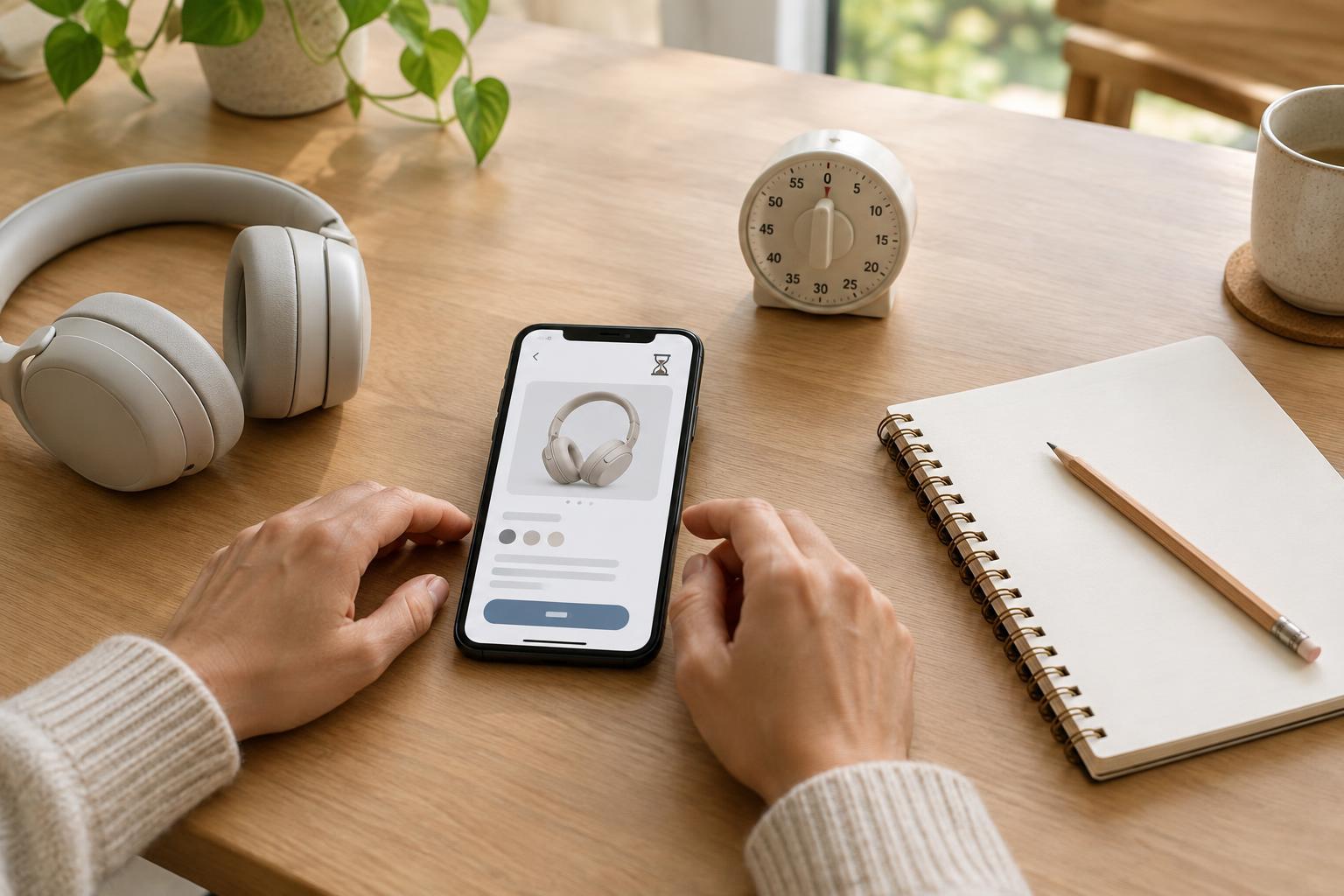
A pause works best when it is easy enough to use. For a low-cost item, that might mean walking to another aisle or finishing your original task before deciding. For a larger purchase, you might leave the item in a cart or on a list and revisit it after a day or two. The point is not to delay every purchase by the same amount; it is to give your initial excitement time to settle.
During the pause, ask a few concrete questions: What job would this item do? Do I already own something that does that job? Where will I keep it, and how often would I use it? Would I want it at its regular price? If the answers remain convincing, you can buy with more confidence. If they are vague, you can leave it without feeling that you have given something up.
You can also add a little friction where it helps. Turning off promotional notifications, removing saved payment details or keeping a wish list instead of a full cart creates another chance to choose deliberately. Pick one change that addresses a trigger you have actually noticed, rather than making shopping inconvenient in every situation.
Separate enjoyment from urgency
Thoughtful spending does not require rejecting every spontaneous pleasure. If you enjoy occasional surprises, you can leave room for them in your spending plan. That makes the question less about whether an item was planned and more about whether buying it fits what you value and can afford. A purchase made for enjoyment can be intentional, even if you first spotted it by chance.
Be especially careful when the appeal depends on a deadline. Before responding to a sale, compare the discounted price with what you would willingly pay for the item, not only with the advertised original price. A bargain on something you will not use is still an expense. If the item is genuinely useful and you have already considered buying it, the offer may simply help you decide when to purchase.
Review without blaming yourself
If you buy something impulsively, treat it as information. Ask what prompted the choice and whether the item turned out to be useful or enjoyable. If you regret it, check the seller’s return terms when practical, then consider what small change might help next time. Shame rarely makes a habit easier to understand.
The goal is not perfect control. It is a little more space between a cue and a decision. By recognizing your usual triggers and choosing a realistic pause, you can keep the purchases you truly want while making fewer that only felt urgent for a moment.