Why a bundle can feel like the obvious choice
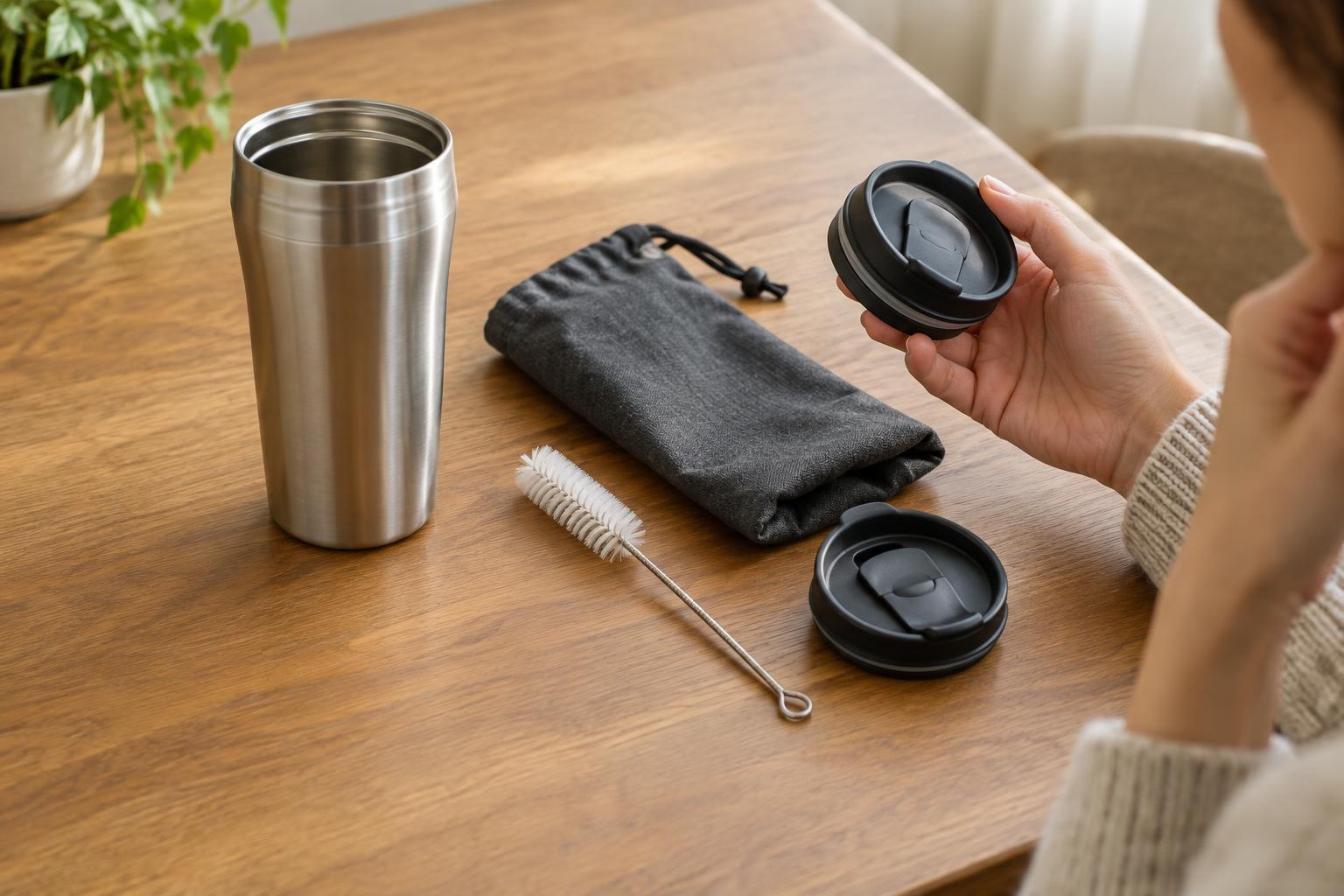
A product bundle puts several items or services into one offer. It might pair a device with accessories, combine products in a gift set, or group features into a service plan. The package can be appealing because it replaces several small decisions with one larger decision. Instead of comparing every component, you can choose a ready-made set and move on.
That convenience is real, but it can also shift your attention. A bundle invites you to ask, “Is this a good package?” rather than “Which of these things would I have chosen on my own?” An included extra may seem valuable because it is already part of the offer, even if you would not have sought it out. The useful question is not how much the package contains, but how much of it fits your needs.
Separate the main item from the extras
Start by identifying the reason you began shopping. If you need a particular item, evaluate whether the bundle’s version of that item meets your requirements. A low price for the whole package does not compensate for a poor fit in the component you will use most. Check the specifications, size, quality, or service terms that matter to you before considering the added pieces.
Next, sort the extras into three groups: items you would buy anyway, items you might use, and items you are unlikely to use. This is more informative than counting everything in the box. An accessory you already own may have little practical value to you, even if it has a listed price. Likewise, a feature that sounds attractive but requires equipment, time, or a change in habits may never become useful.
Be cautious with the middle group. “I might use it” can mean you have a specific plan, or it can mean the item is easy to imagine using someday. A simple test is to name when and how you would use it. If you cannot, treat it as a possible bonus rather than a reason to choose the bundle.
Compare choices you would actually make
The most useful comparison is not always the bundle versus every item at its individual listed price. That comparison assumes you would purchase all the components separately. Instead, compare the package with the smaller set you would realistically buy. If you only need two items in a five-item bundle, price those two items in suitable versions and consider whether the remaining three add enough value to change your decision.
Compare like with like where you can. A bundle may contain a different model, size, or level of service from the separate option you had in mind. It may also limit your ability to choose a preferred color, compatible accessory, or delivery schedule. These details can matter more than the apparent saving. If the terms allow it, check whether components can be returned or replaced individually; if they cannot, the package may offer less flexibility than separate purchases.
Convenience belongs in the comparison too. One order may save time, reduce the effort of checking compatibility, or make a gift easier to assemble. Those benefits need not have a precise price to be worth considering. The point is to recognize them as benefits you value, rather than assuming every included item is equally valuable.
Notice how the package changes your decision
Bundles can make extras seem like part of the standard choice. Once you picture yourself owning the complete set, buying only the main item may feel like giving something up. Try reversing the question: if the bundle did not exist, what would you put in your basket? Then ask which additions you would willingly make. This helps separate your original need from the appeal of a complete-looking package.
Another useful pause is to imagine the bundle arriving today. Where would each physical item go, or when would you use each service? Would you need to store, learn, maintain, or dispose of anything? Extras can bring small obligations alongside their potential benefits. That does not make a bundle a bad choice; it simply gives you a fuller picture of what you are accepting.
Make a choice that fits your use
A bundle is a strong option when its main component fits, the extras have clear uses, and the package is preferable to the alternatives you would genuinely consider. Buying separately may be better when you need flexibility, already own the accessories, or would choose different versions of the included items. Neither approach is automatically smarter.
Before deciding, write a short list of what you need, what you would use, and what you would ignore. Compare the bundle with that list rather than with an imagined shopper who wants everything. The best package is not necessarily the one with the most pieces. It is the one whose contents, convenience, and trade-offs make sense for your actual plans.